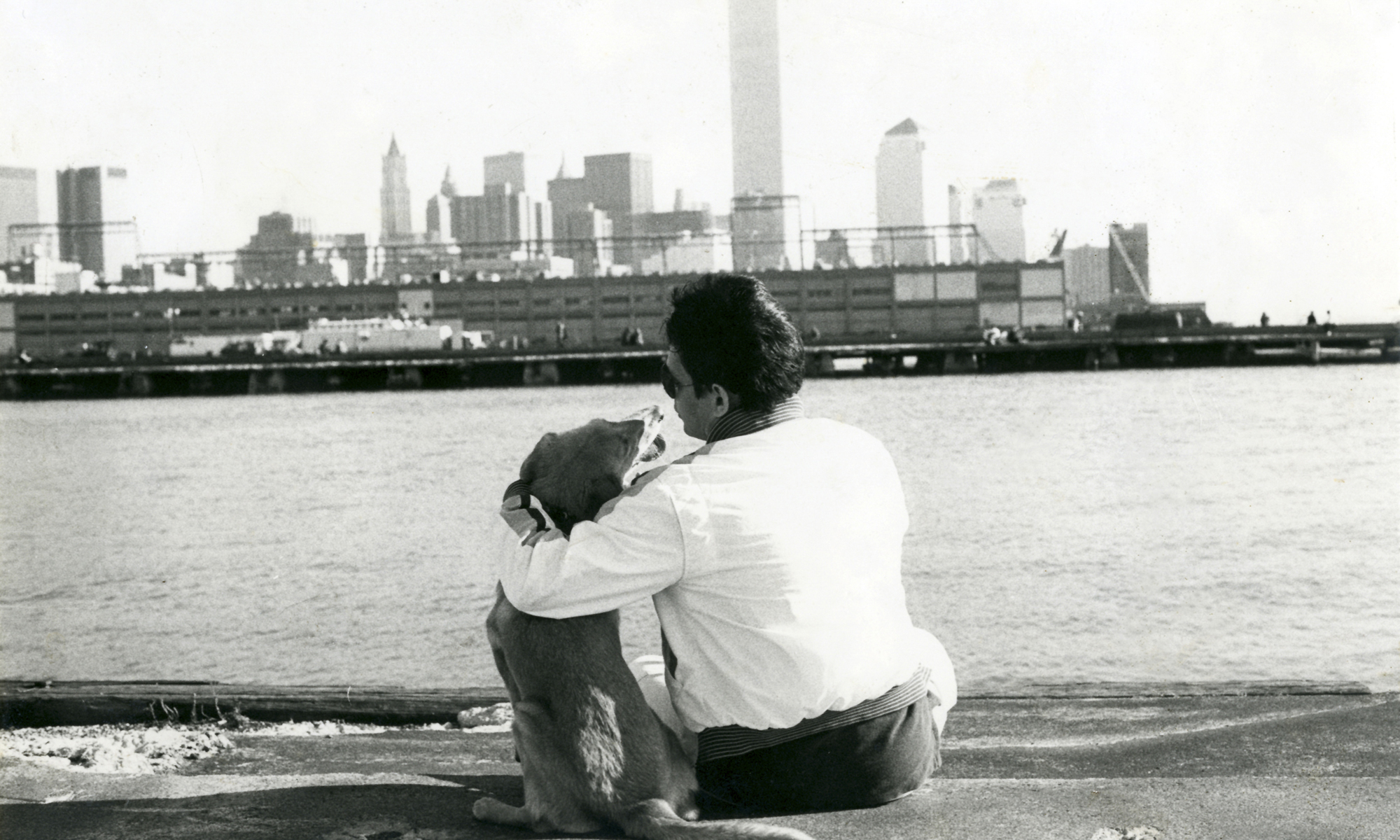
Memories of Debbie Reynolds & Carrie Fisher
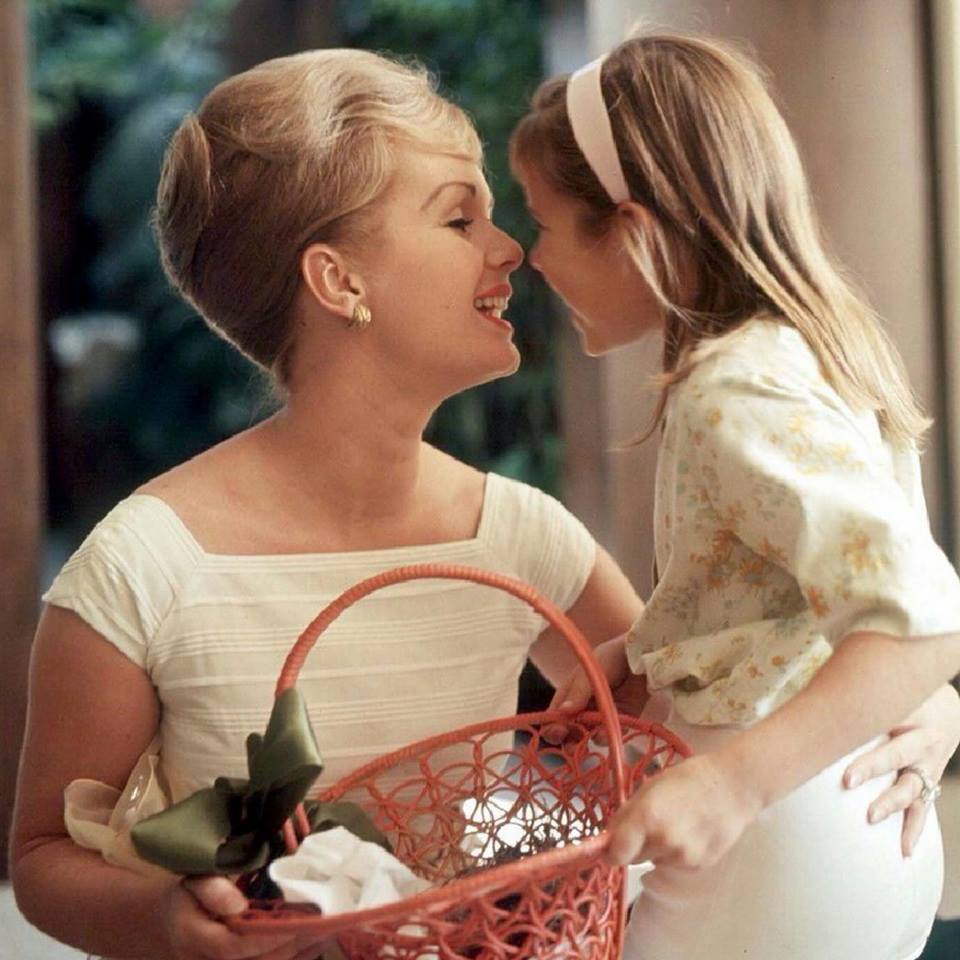
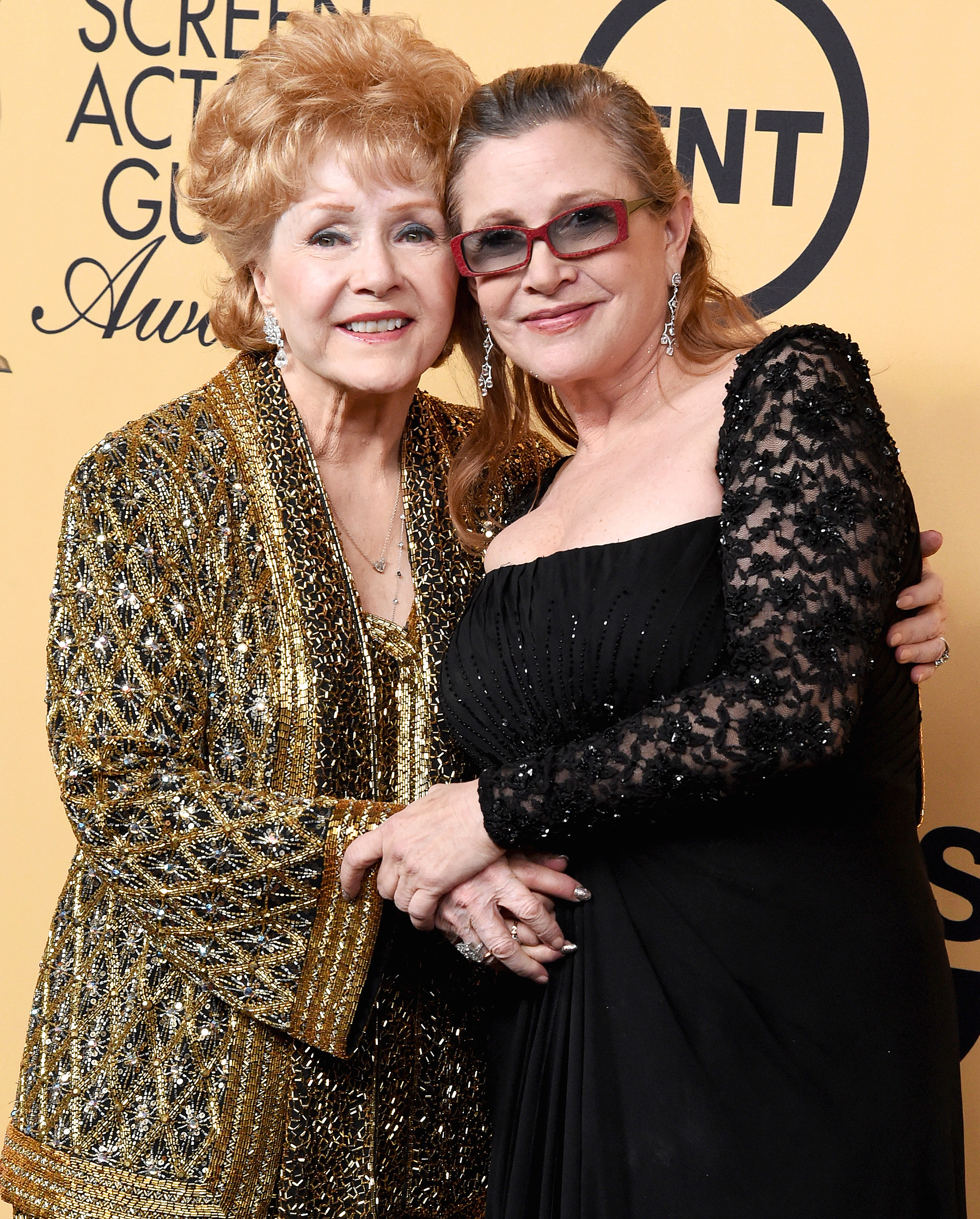
Debbie Reynolds was one of the windows of the world for a small boy who had such a hard time in the world. It’s been a very hard year for Andrew and I. He has been so ill. More surgeries and complications. Then shots to help with the pain from the complications. Some of our beloved pets have left this year. As for me, I’ve had two hand surgeries and elbow surgery and now I must have lower back surgery. With all that, my beloved mother passed three months ago just short of 90. With all of this there is still a good life. Andrew and I on December 27 celebrated our 36th anniversary.
A Memory of long ago I was living with my mom and dad after I had left working for the academy award winning actress and writer Ellen Burstyn. Why I bring this up today is that I remember my mother at this time in my life. My mom surprised me and we went to see Debbie Reynolds at the Sunrise Music Theater. It was right by their home in Tamarac Florida. She waited with me as I got to say hello and got her to sign the program. It’s a sweet special memory of an evening with Debbie and my mom. Some how with all this I just do not feel the same about anything except Love, giving it, getting it and sharing it. For in the end of this life all that is really here is love. Love is what we take with us. Below is a little movie I made of Debbie Reynolds in the film Tammy and The Bachelor. in 2015 for my blog. She has always been one of my favorite entertainers.
 Program Cover for her one woman show I saw at Sunrise Musical Theater in Tamarac Florida
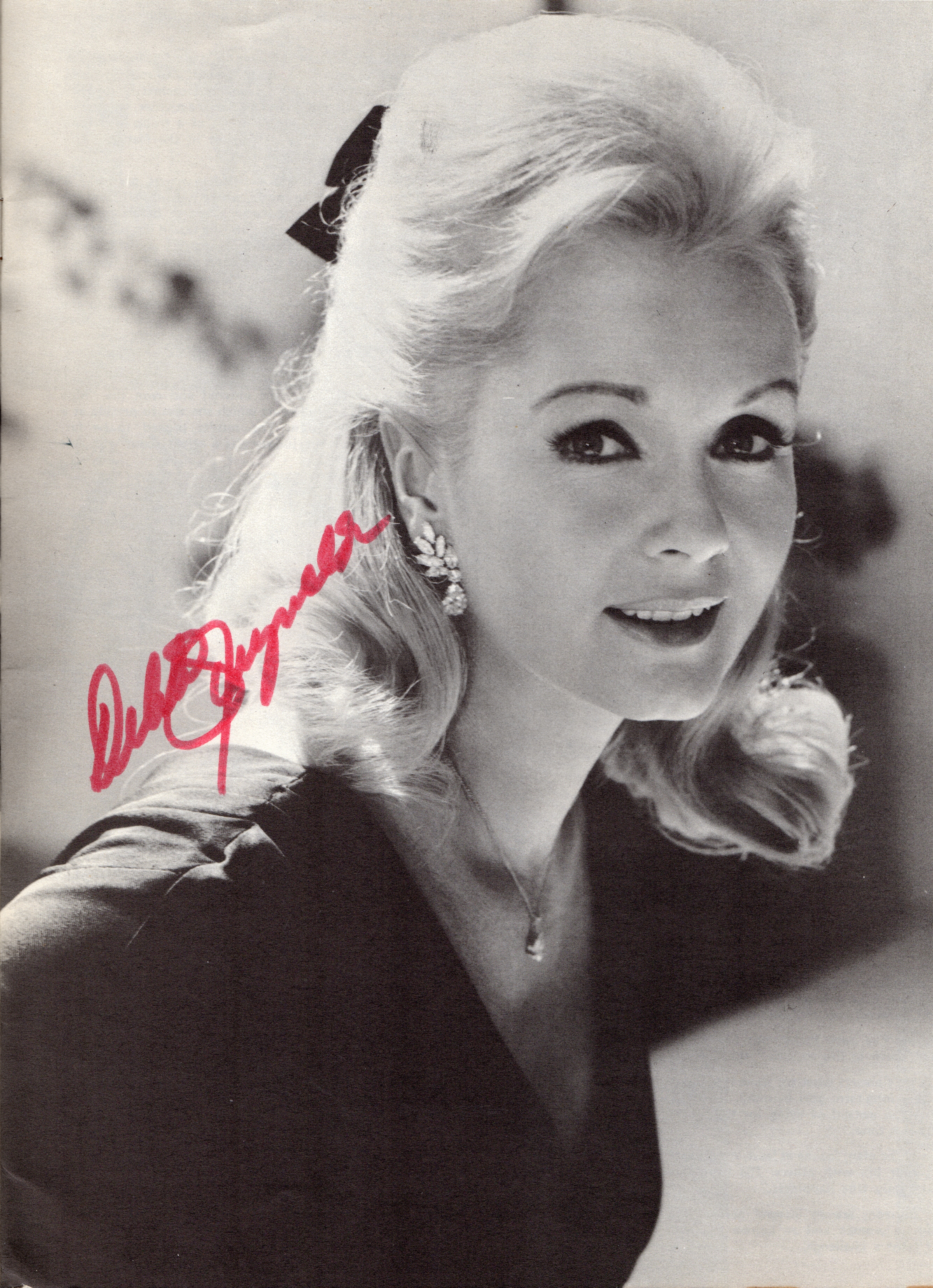 Her photo on inside of cover she signed for me
I hope you take a moment ot watch my little film through Baumwoll Archives Presents of the movie stills on the set and the film “Tammy And the Bachelor”
Below are some videos that are on Youtube that I’ve compiled of Debbie and Carrie at different times of their lives
Below movie that is little fuff, The Second Time Around. I love every part of it and all the players . Enjoy
Homecoming
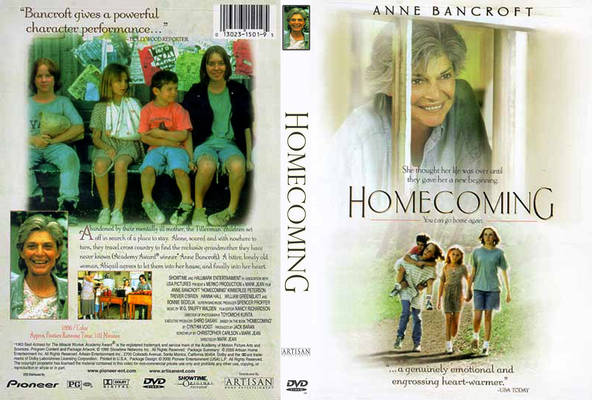
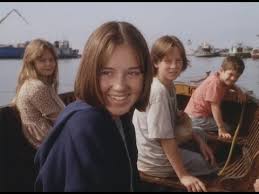
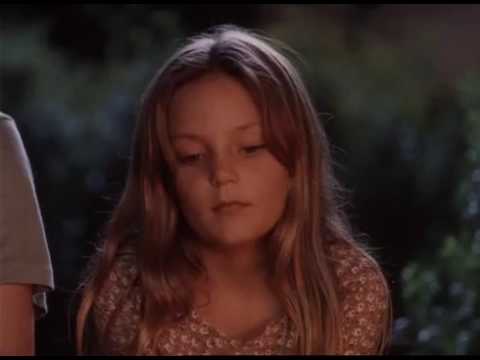
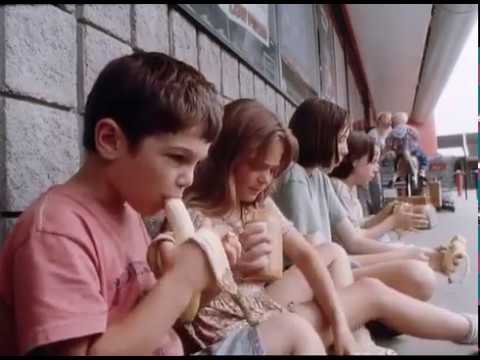
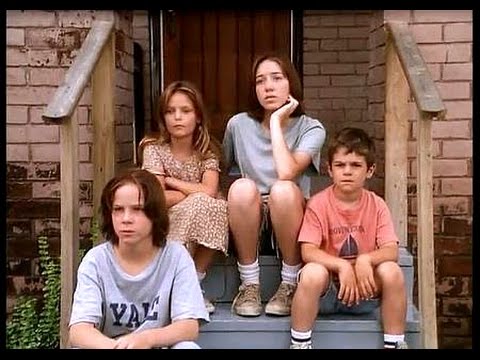
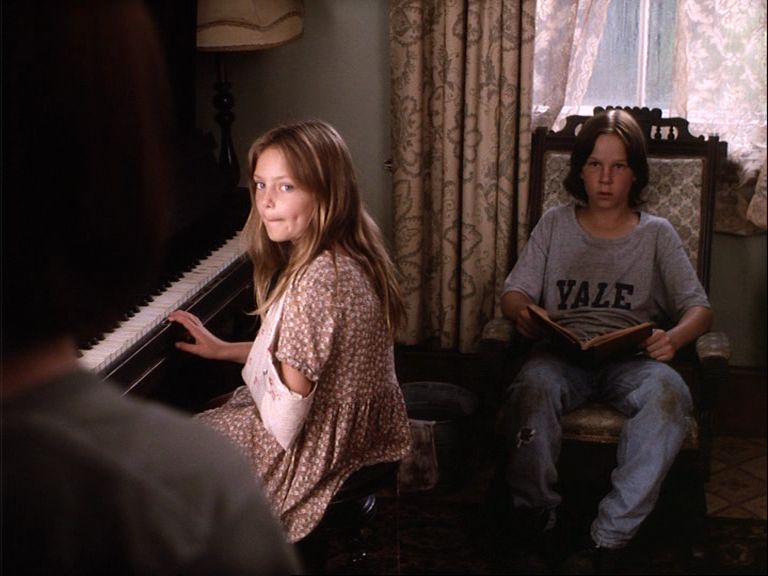
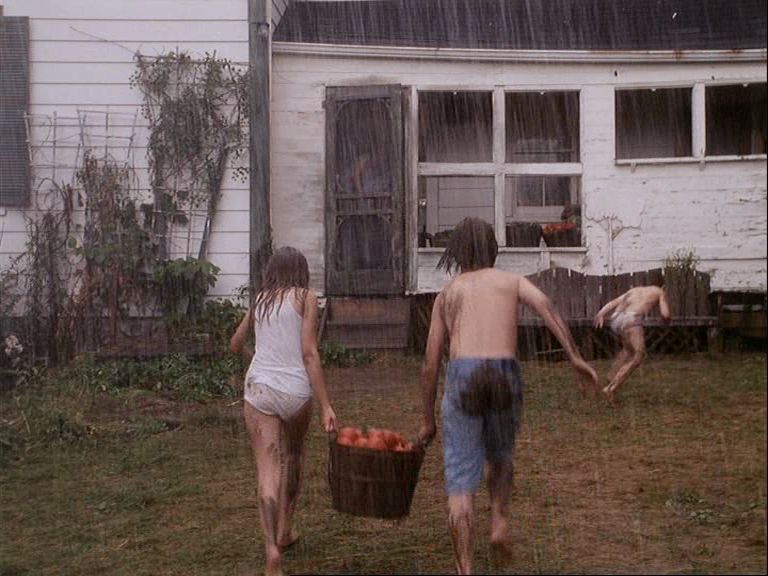
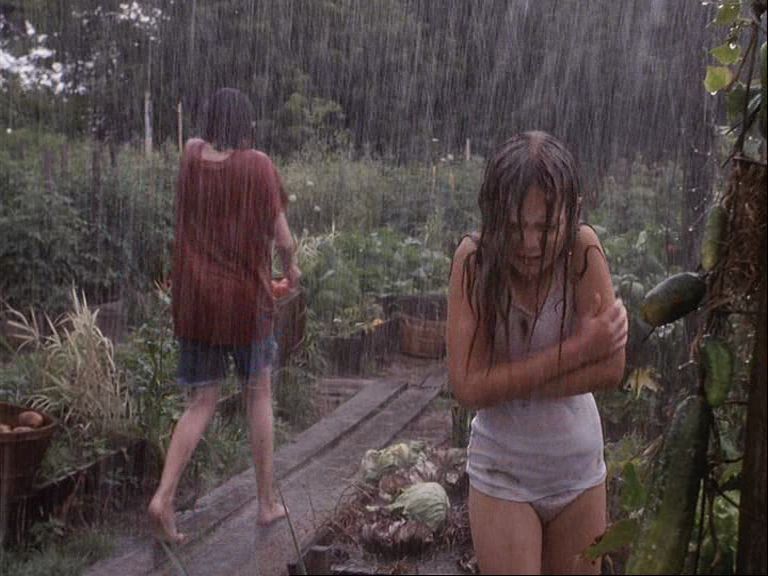
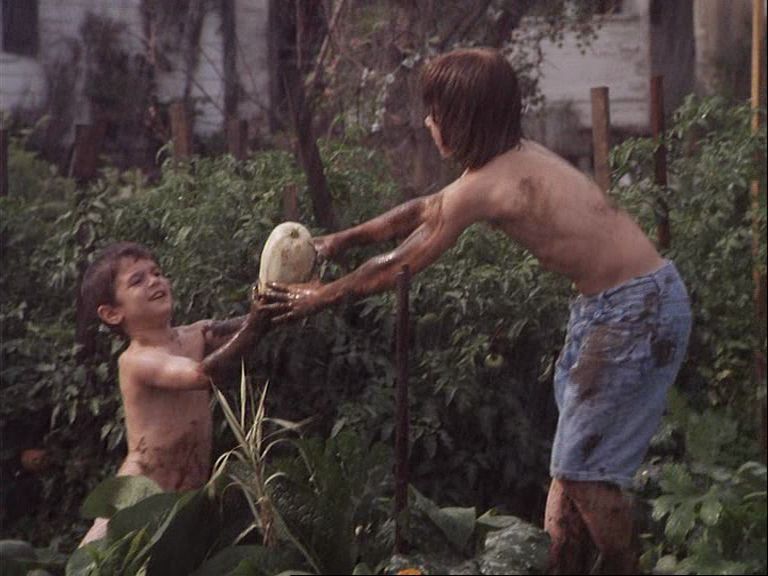
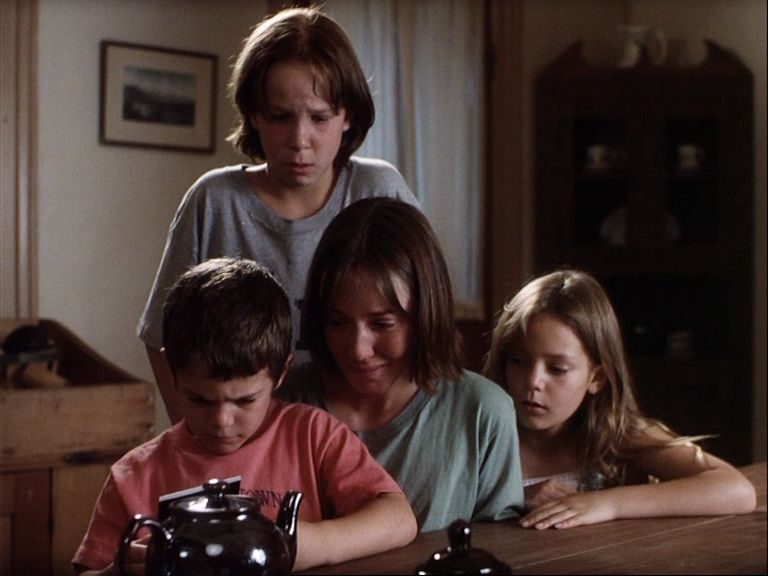
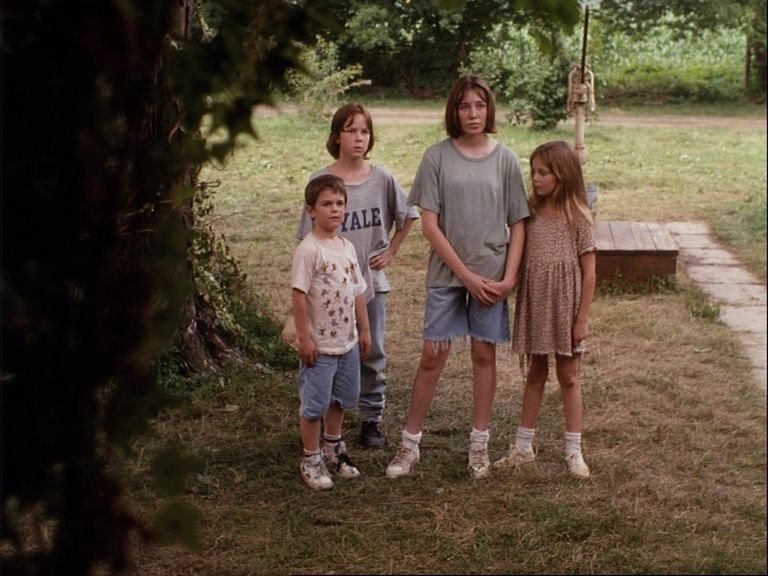
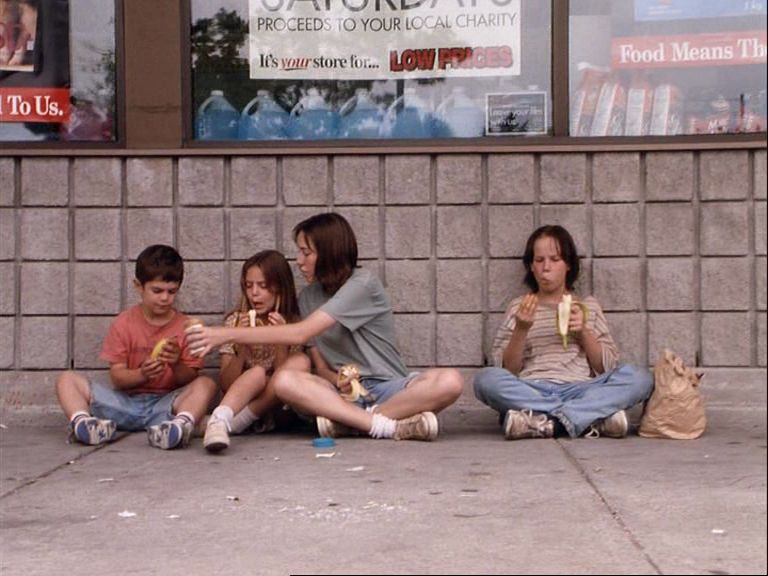
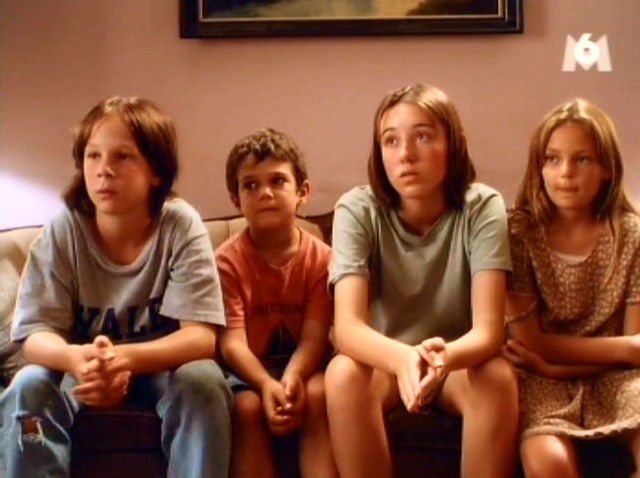
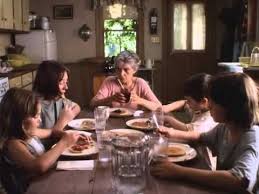
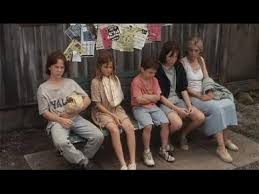
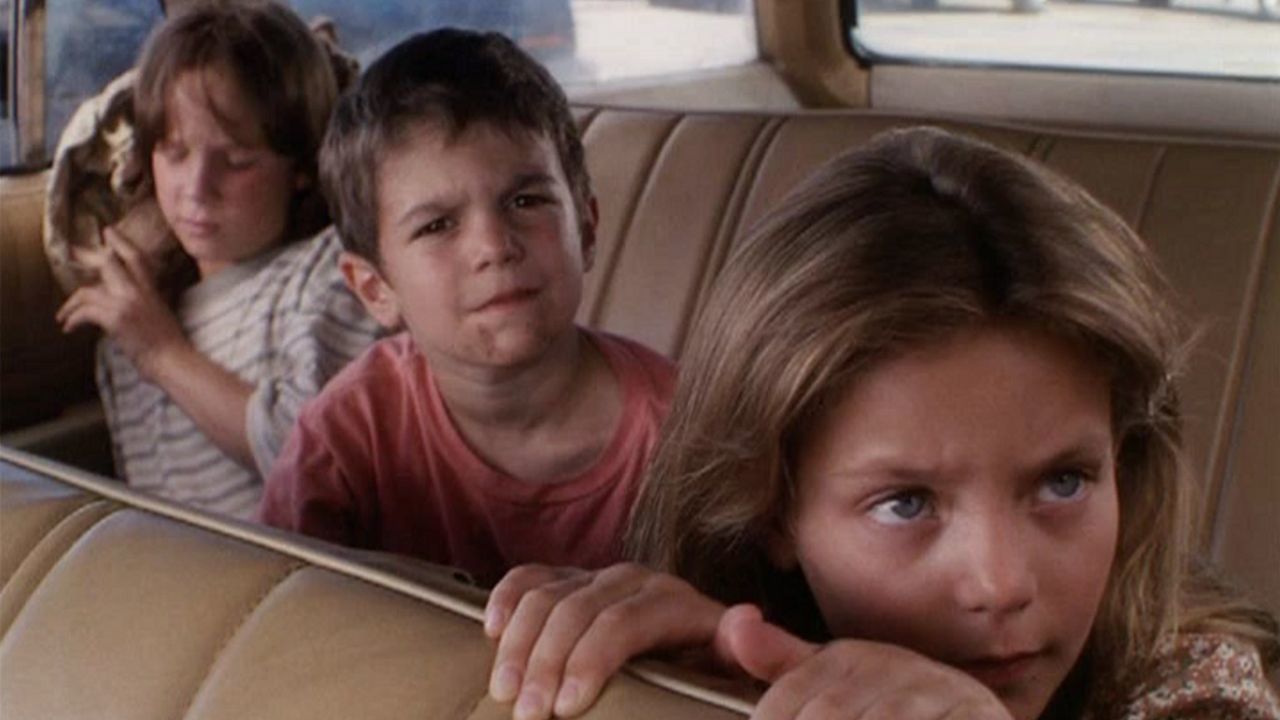
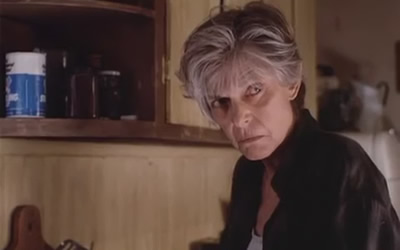
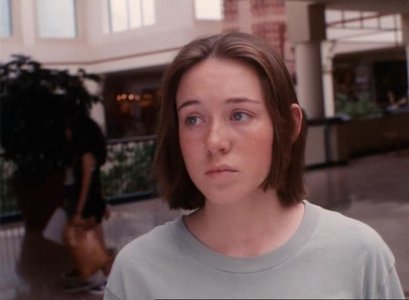
On a hot summer night in Provincetown, Liza Tillerman abandons her four children, thirteen-year-old Dicey, ten-year-old James, nine-year-old Maybeth, and six-year-old Sammy, in a mall. With only a change of underwear, a map, and nine dollars, Dicey, James, Maybeth, and Sammy take off on foot to Bridgeport where their nearest known relative, Aunt Cilla, lives. Along the way, Dicey struggles to care for and protect her siblings.
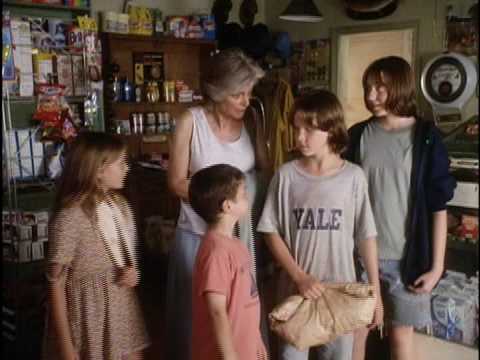
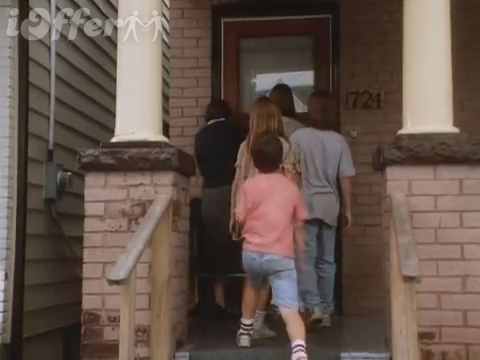
After finally arriving at Aunt Cilla’s, Eunice, their cousin, tells them that Aunt Cilla had died last spring. Eunice consults Father Joseph, who decides that the children may stay but only temporarily. Eunice tells Dicey of Abigail Tillerman, their grandmother, who lives in Crisfield, Maryland, and gives them some money. Dicey decides to take her siblings to their grandmother’s house, but upon arriving they realize they do not know where she lives. While stopping at a store, a woman tells them that Abigail doesn’t have a phone and is isolated clear out of town. Dicey decides to meet her alone, so she leaves James in charge of Maybeth and Sammy.
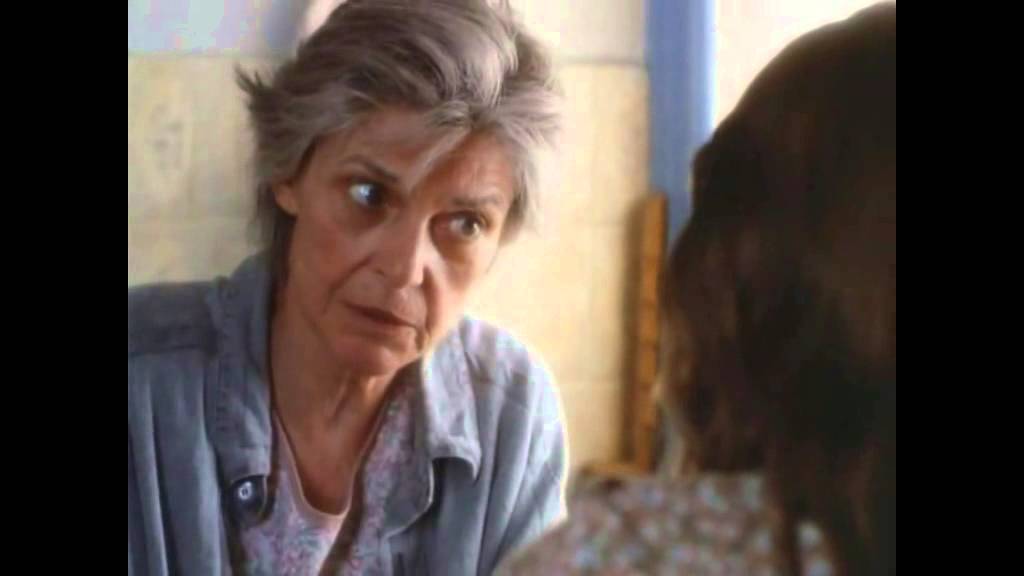
After knocking on the door and getting no answer, Dicey goes around back to see Mrs. Tillerman sitting on the back porch. Dicey asks if she can do anything to help on the farm. Mrs. Tillerman silently marches back into the house before asking Dicey to join her.
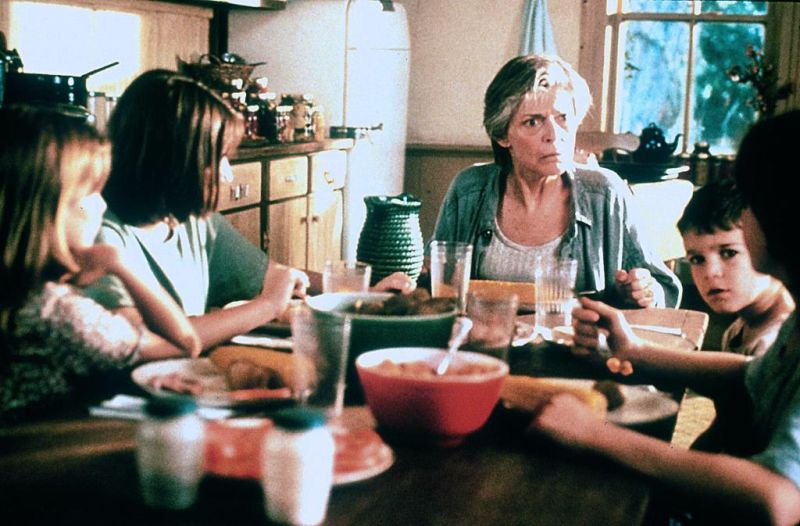
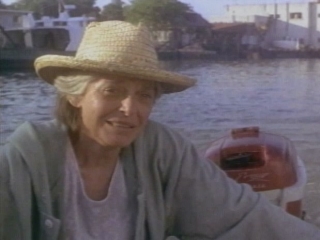
Inside, she questions Dicey about her thoughts on death and other such morbid things. Upon realizing she needs to just get up and leave, Abigail tells Dicey that Eunice wrote to warn her the children would be coming, and that she knows who Dicey is. However, she will not let the children stay. Dicey fires back, stating she doesn’t want to stay. In the midst of the fierce conversation that ensues, Abigail begins to laugh and softens Dicey’s mood a little. Abigail and Dicey takes her boat to pick up the other children, and Dicey is scared when she doesn’t see her siblings. Eventually, Dicey and Abigail find Sammy, who says James and Maybeth wanted to meet Abigail themselves and have already left. They return to Abigail’s to find James and Maybeth just arriving.
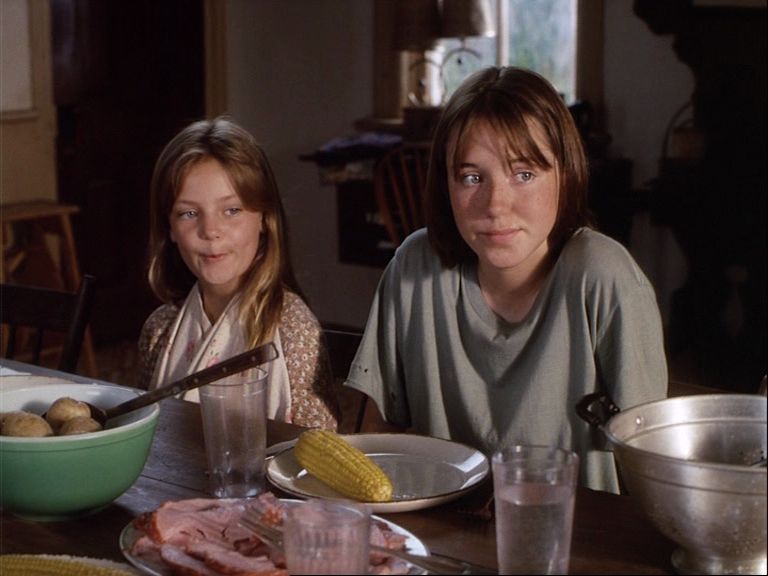
Over the next few days, the children help their grandmother around the farm and with the cooking, and Abigail begins to warm toward them. However, Abigail tells Dicey she can’t let the children stay with her; she is too old, has no money and fears making the same mistakes she made with her own children. One day while they stay over, Abigail receives a letter from Eunice discovering that Liza is found from the police and is discovered she has gone mentally insane, with a photo for evidence. Liza is put in a mental institution and is suffering from catatonia, closely enough to being schizophrenic. The people of the mental institution deem she will not be cured. Later on during their stay, Abigail insists the children must go back to Bridgeport and arranges for them to take the morning bus. As they wait for the bus, defeated, Abigail realizes she wants the children to stay after all.
Homecoming (1996 film)
From Wikipedia, the free encyclopedia
| Homecoming | |
|---|---|
 Movie poster | |
| Directed by | Mark Jean |
| Produced by | Jack Baran Shirō Sasaki |
| Written by | Christopher Carlson (screenplay) Mark Jean (screenplay) Cynthia Voigt (book) |
| Starring | Anne Bancroft Kimberlee Peterson Trever O’Brien Hanna Hall William Greenblatt |
| Music by | Spencer Proffer Gaili Schoen |
| Cinematography | Toyomichi Kurita |
| Edited by | Nancy Richardson |
| Distributed by | Hallmark Home Entertainment |
Release date |
|
Running time | 105 minutes |
| Country | United States |
| Language | English |
Homecoming is an American drama television film.
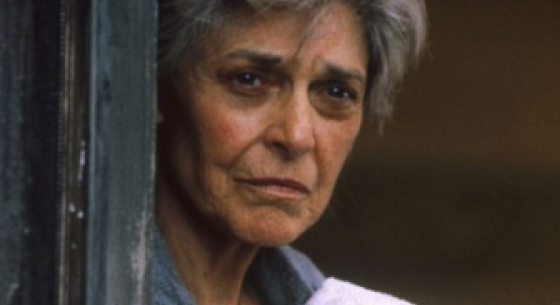
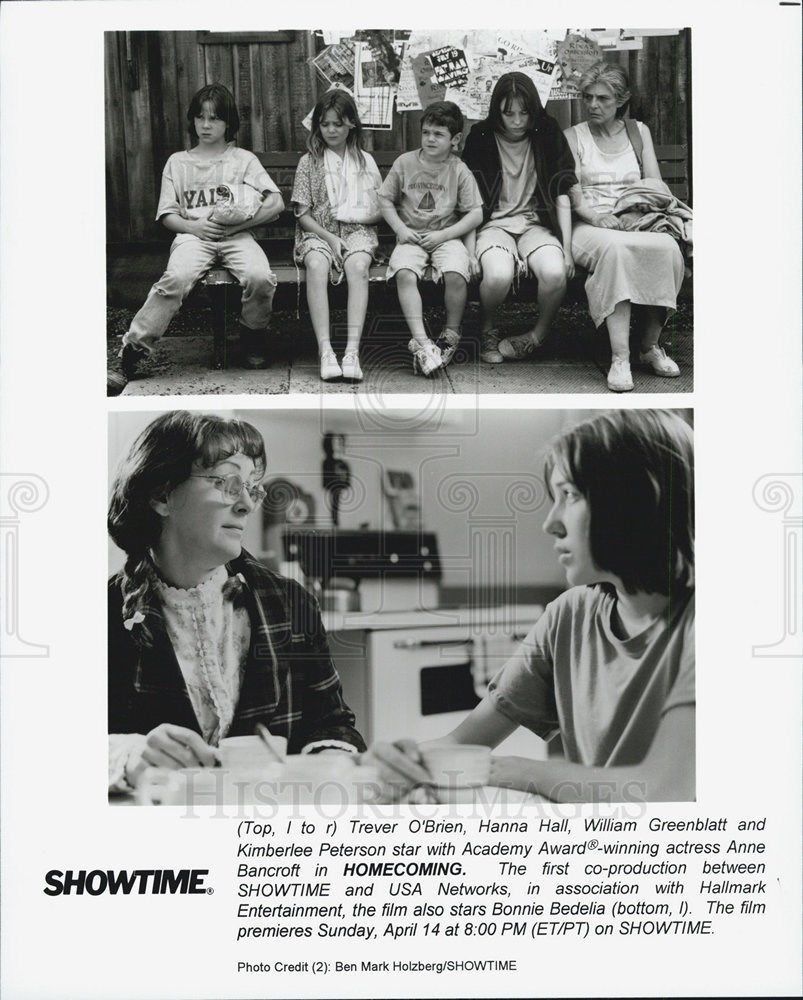
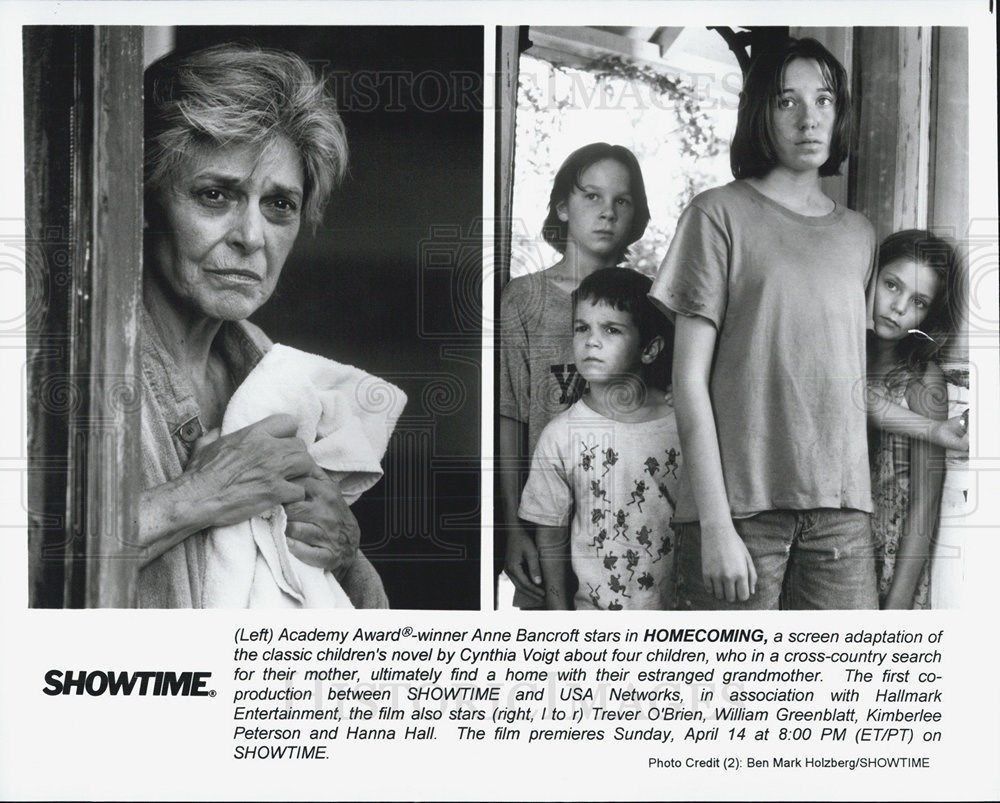
On April 14, 1996, the TV film Homecoming was released[1] and aired on the American cable channel, Showtime. The screenplay was written by Christopher Carlson and was based on Cynthia Voigt‘s novel, Homecoming. The movie follows the story of four children who were abandoned by their mother and left to fend for themselves. Homecoming was directed by Mark Jean, produced by Jack Baran, and the executive producer was Shirô Sasaki.









Andrew Reach’s Art Winner in ArtSlant.com 4th 2017 ArtSlant Prize Showcase in Abstract Category
I’m pleased that my spouse, Andrew Reach’s work “Hex Land III” was selected as one of the winners in the 4th round of the 2017 Artslant Prize in the Abstract category. Another Cleveland artist, Evie Zimmer, is a winner in the Painting category for her amazing painting “Gypsy”. Winners get art showcased in feature box on the ArtSlant home page. Below are screenshots.
About ArtSlant, their website says:
ArtSlant is a networking and content platform committed to providing a social perspective on art. Founded in Los Angeles in 2007 by the late Georgia Fee, ArtSlant aims to bridge the gaps between the art world, its media, and the community.
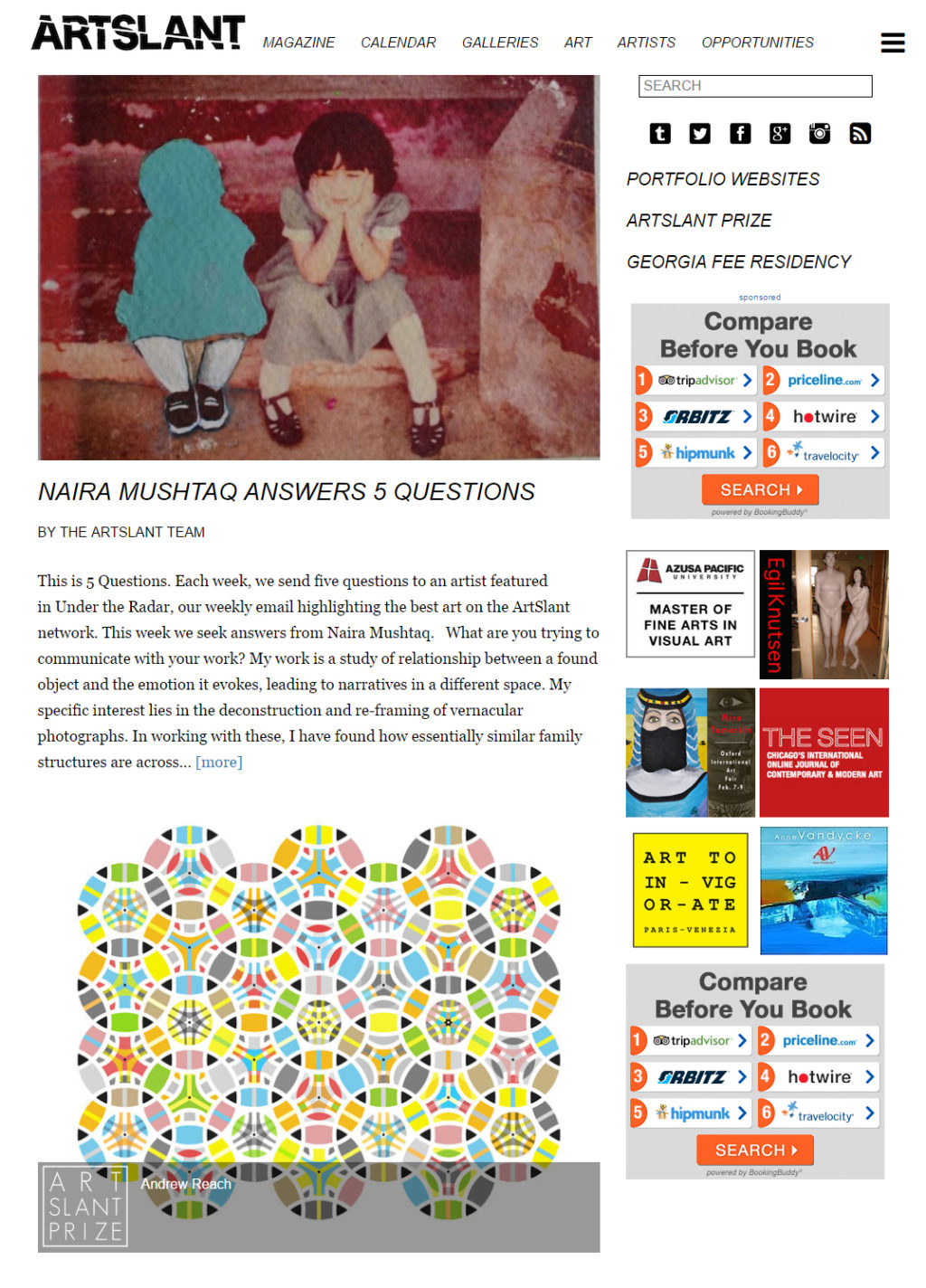 Artslant.com home page screenshot with “Hex Land III”
click to see Andrew Reach’s other winning entries to the ArtSlant Prize
click here to see Andrew Reach’s website
click here to see Andrew Reach’s work on instagram
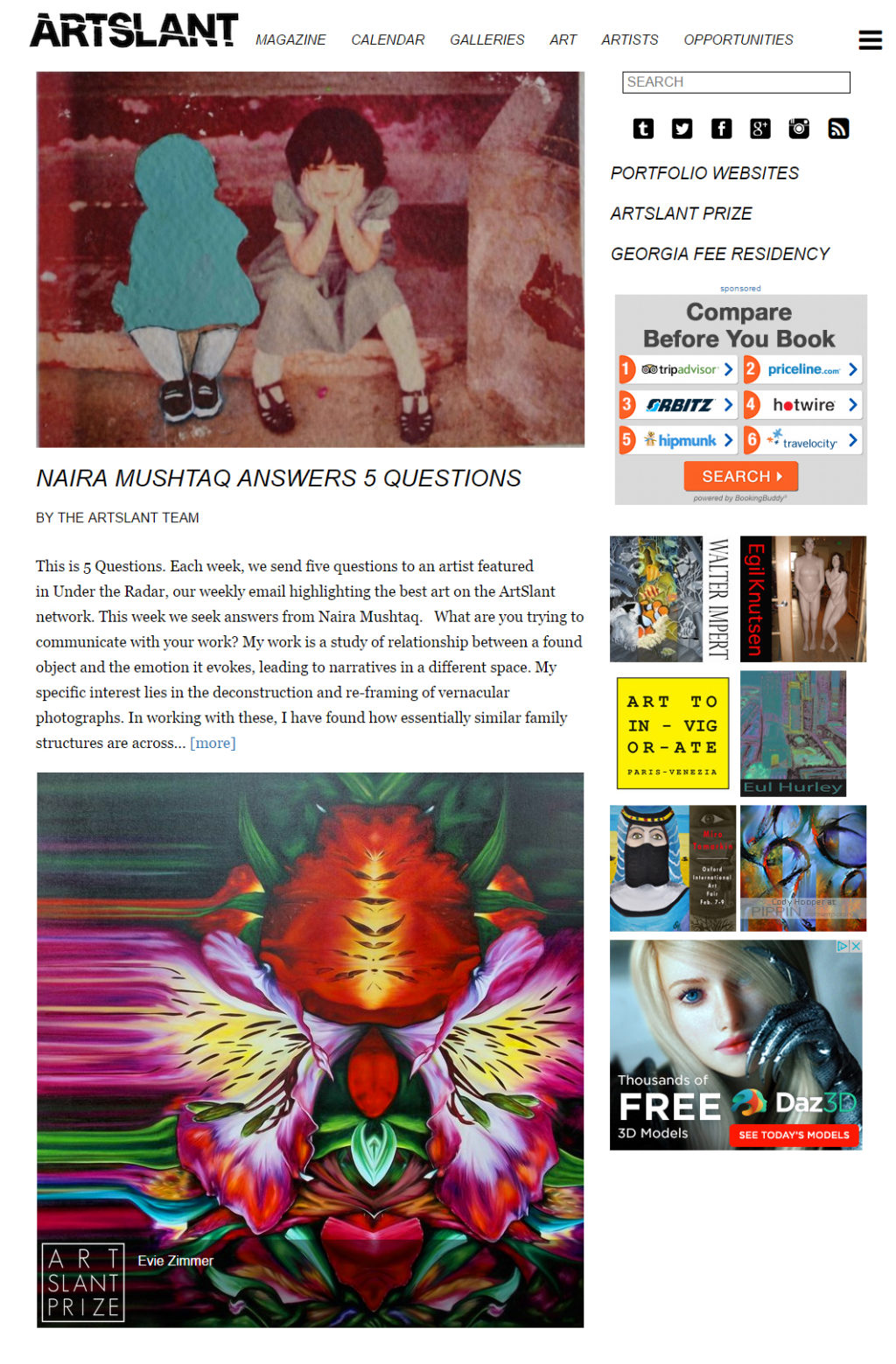 Artslant.com home page screenshot with “Gypsy” by Evie Zimmer
click here to see Evie Zimmer’s art on instagram